Navigating the Cancer Journey: Essential Resources and Support for Patients and Survivors
When confronted with a cancer diagnosis, the journey ahead can feel overwhelming. Each year, thousands of individuals hear the daunting words 'you have cancer,' and in that moment, their lives shift dramatically. While each person's experience is unique, the underlying need for guidance and support remains universal. The path towards recovery and wellness is paved with the right oncology resources, and understanding how to access them can empower patients every step of the way. How can we ensure that we are not just surviving but thriving during this journey?
Accessing vital oncology resources starts with building a solid relationship with your oncologist. These medical professionals are more than just doctors; they are allies in your fight against cancer. As the ones who will guide you through your treatment options, having open communication and trust can significantly impact your journey. Ask questions! Inquire about research studies, the latest cancer treatment options, and even clinical trials that may benefit your specific situation. It’s your right to understand all aspects of your health, and it allows you to make informed choices. Remember, knowledge is power!
Cancer awareness and education don't stop with diagnosis; they are continuous processes that empower patients and their families. Resources like health blogs and cancer advocacy groups can provide essential information about lifestyle and cancer, nutrition for cancer patients, and emotional wellness. Many cancer resources are available online nowadays, ensuring that access isn’t limited to the walls of a hospital. Finding a credible medical blog can arm you with the knowledge of the latest cancer research and alternative cancer therapies that support conventional treatment. What if a shift in diet could enhance your treatment efficacy?
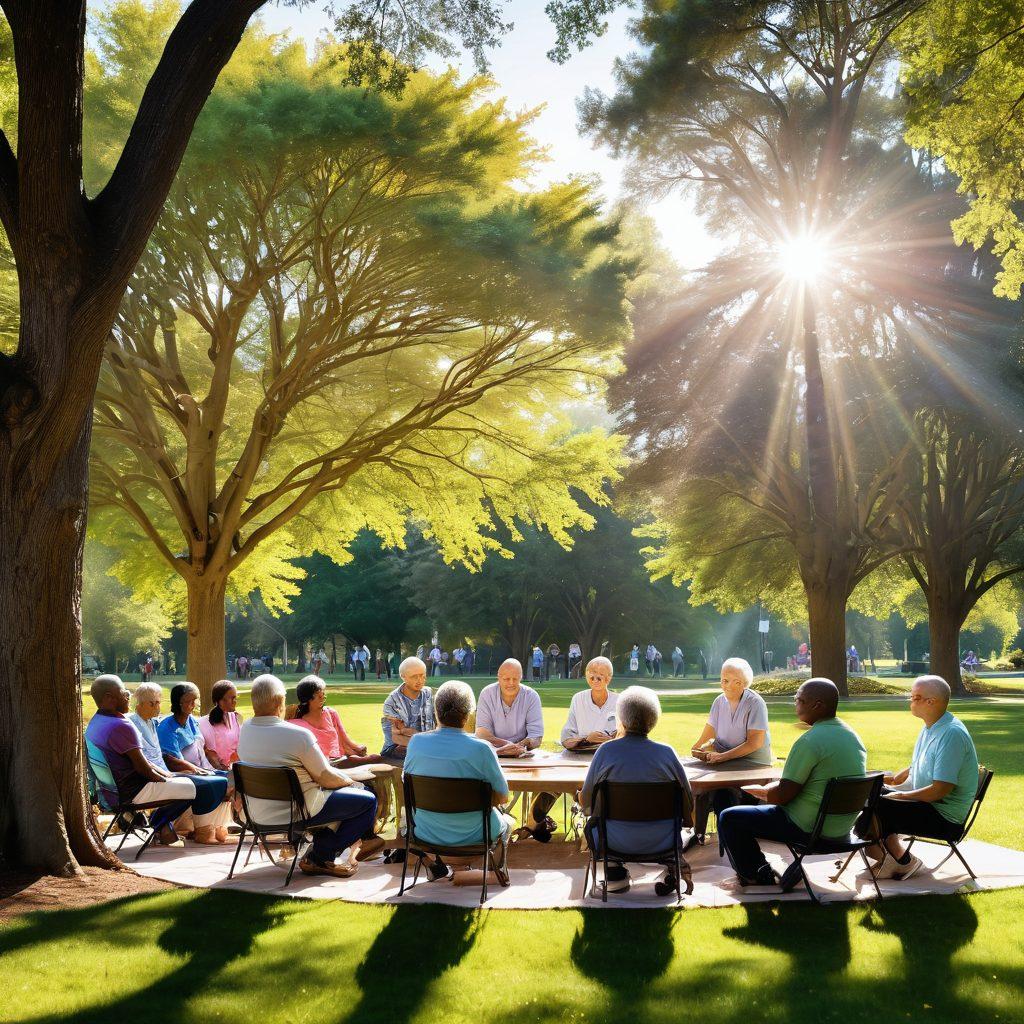
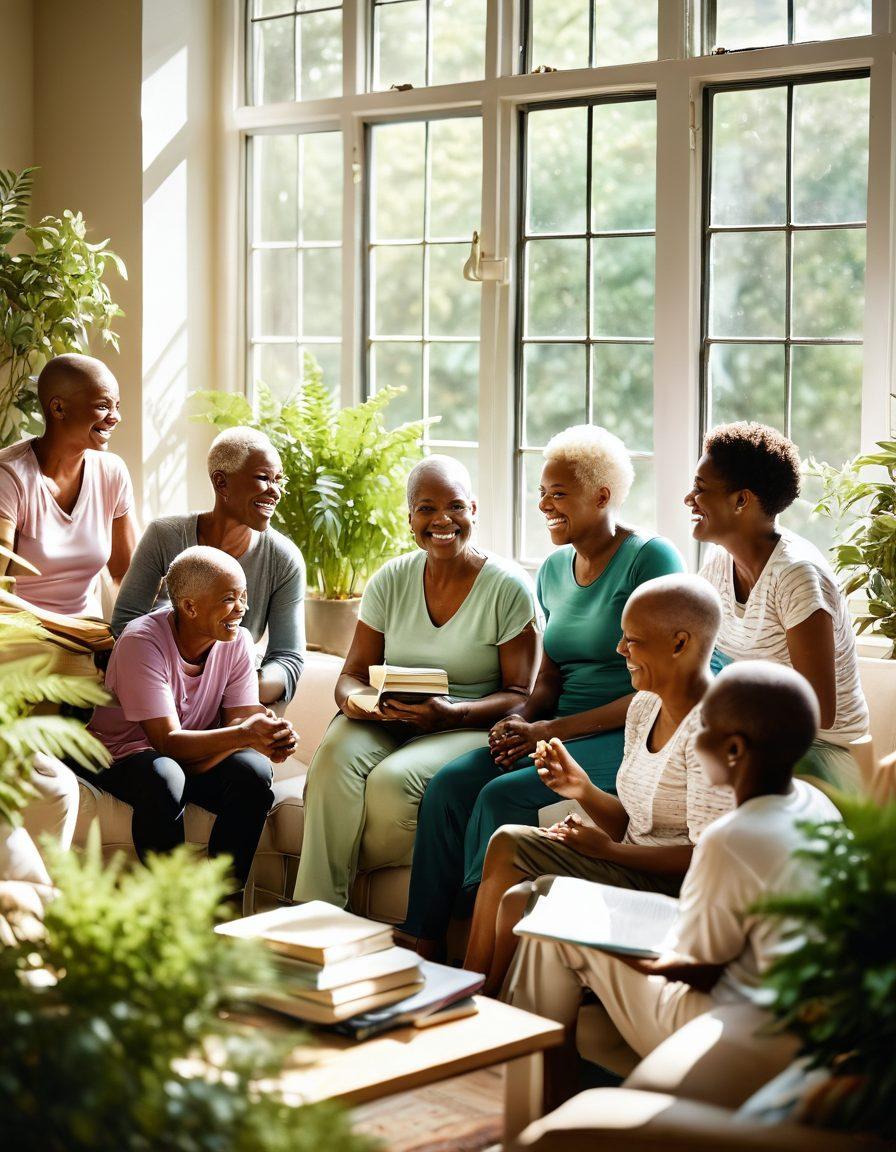
Patient support goes beyond just accessing medical resources; it involves finding your tribe. Engaging with cancer support groups can be transformative. These communities provide camaraderie, understanding, and shared experiences that make the journey a bit less lonely. They also open doors to new friendships and valuable insight from those who have walked the same path. Have you considered how much a dedicated support group could impact your mental health and cancer experience?
Finally, never underestimate the power of holistic health and wellness in your cancer journey. Strategies focusing on mental health, healthy lifestyle choices, and alternative therapies often play a crucial role in recovery. Each time you engage in self-care, practice mindfulness, or maintain a balanced diet, you’re investing in your overall health. The road to recovery may be long, but with the right oncology resources and a solid support network, you can find not just strength but joy in the journey. What steps will you take today to embrace your cancer journey?
Overcoming Challenges: Essential Support Groups and Strategies for Cancer Survivors
The journey through cancer is undeniably challenging, marked by a myriad of emotions and experiences. For many cancer survivors, the battle does not end with treatment; rather, it transitions into a new chapter of life that is often laced with uncertainty and obstacles. As you navigate this path, it’s essential to lean on the support and resources available to you. Whether you're recently diagnosed or have been living as a survivor for years, understanding how to access essential support groups and strategies can significantly impact your health and wellness. So, how can you capture the tools and connections you need to thrive after cancer?
One of the most powerful sources of support comes from fellow cancer survivors. Engaging with cancer support groups offers a unique opportunity to share experiences, find solidarity, and foster friendships. These groups often provide invaluable insights into various cancer treatment options and strategies that others have successfully utilized. Imagine sitting in a circle with individuals who understand what you’ve been through, each story full of resilience and hope. Have you considered finding a local or online cancer support group? The connections you forge can offer not only comfort but also a sense of belonging in the larger cancer community.
As we delve deeper into the concept of cancer advocacy, it’s vital to recognize that knowledge is power. Information about the latest cancer research and clinical trials serves as a beacon of hope for many survivors. It’s remarkable how far oncology has come, with innovative treatment options emerging regularly. For those who have successfully battled cancer, staying informed about alternative cancer therapies, nutritional science, and holistic health practices can play an essential role in long-term wellness. Have you explored the broad spectrum of cancer resources available to help you make informed decisions about your health?
Mental health is another critical aspect of the cancer journey that shouldn’t be overlooked. Survivors often experience an emotional roller coaster, from anxiety about recurrence to identity shifts after treatment. It’s important to prioritize mental health and seek support through counseling or therapeutic groups specializing in cancer patients. Remember, you're not alone in feeling overwhelmed; asking for help is a brave step toward healing. What strategies have you found to foster your mental well-being since your diagnosis?
Finally, engaging with the cancer community can be incredibly empowering. Volunteering, participating in advocacy events, or even sharing your journey through a health blog can provide a sense of purpose and fulfillment. In doing so, you contribute to cancer awareness and education, helping others who may be on a similar journey. How can your own experiences inspire and uplift others in the fight against cancer? Remember, the challenges you face may create an avenue for profound change and growth, not just for yourself but for the entire cancer community.
Navigating Treatment: Insights into the Latest Research and Wellness Practices for Cancer Patients
When faced with a cancer diagnosis, the journey can feel overwhelming, leaving many to wonder, "Where do I even begin?" Every step taken from the initial consultation with an oncologist to navigating treatment options is crucial. It’s this uncertainty that makes cancer education and awareness paramount. Fortunately, there are a myriad of resources available that not only provide the necessary insights into the latest research in oncology but also equip patients and their families with the tools to confidently navigate their paths. In this blog, we will explore the latest advancements in cancer treatment options as well as wellness practices aimed at enhancing one’s health and well-being during this challenging journey.
Remember that no two cancer journeys are alike. With a multitude of treatments available today, including clinical trials and alternative cancer therapies, it’s essential to stay informed. Engaging with healthcare professionals, particularly your oncologist, can unveil a wealth of information tailored to your specific diagnosis. Did you know that recent advancements in oncology have led to the development of targeted therapies designed to attack cancer cells more precisely? These treatment options not only enhance effectiveness but also minimize side effects, which is a common concern for many cancer patients. As you consider various cancer treatment options, be sure to ask your doctor about the latest cancer research and any clinical trials that may be available to you.
However, effective treatment is only one piece of the puzzle. The importance of a holistic approach to wellness cannot be overstated. Cancer survivors often find relief and improved quality of life through complementary practices such as nutrition for cancer patients, physical activity, and mindfulness techniques. Have you ever thought about how lifestyle changes could impact your health during treatment? Engaging with cancer support groups can provide not just emotional solace but also practical strategies and community involvement that fosters a sense of belonging. The cancer community offers insights into what has worked for others, motivating individuals to take an active role in their own health.
Moreover, the mental health aspect is vital. Cancer doesn’t just affect the body; it can take a toll on the mind as well. Patients and their families need to prioritize mental health and cancer support. Integrating counseling or therapy into one’s cancer journey can help address feelings of anxiety or depression contributing to the overall sense of helplessness. Finding a mental health professional experienced in working with cancer patients can create a safe space for discussing fears and uncertainties while also reinforcing coping strategies.
Lastly, embracing cancer awareness and advocacy can ignite a sense of purpose, especially for cancer survivors. Becoming involved in cancer community activities or contributing to cancer resources can not only empower others but also provide you with a renewed sense of hope. Let's ask ourselves: How can we extend our journey beyond the diagnosis? Whether it's sharing personal experiences through a health blog, attending workshops, or participating in fundraising events, every effort counts. Together, we can cultivate a culture of support, education, and empowerment, ultimately transforming the cancer journey into one of resilience and strength.